


Understanding Cloud Computing and Cloud Services
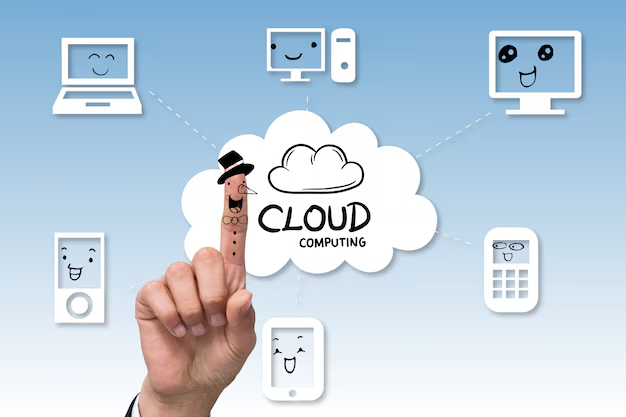
Cloud computing is a modern technology that allows individuals and businesses to access and use computing resources like storage, applications, and processing power over the internet. Instead of relying on local computers or on-site servers, users can store and manage their data remotely. The term “cloud” represents the internet, a vast virtual space where information is stored and can be accessed anytime and from anywhere. With cloud computing, physical infrastructure requirements are eliminated, making it easier for organizations to manage and scale their operations.
Cloud services refer to the specific IT solutions provided via cloud computing. These services include data storage, processing power, and software applications, all delivered over the internet. Cloud services are provided by cloud service providers, which allow users to store, access, and manage data from any location, making it possible for businesses to run operations without heavy investments in physical infrastructure.
Cloud Computing in Cybersecurity
Cloud computing plays a vital role in the field of cybersecurity. It offers secure data storage, advanced encryption techniques, and essential security protocols, helping businesses protect their sensitive data. Cloud service providers often implement robust security measures, such as encryption, firewalls, and multi-factor authentication, to ensure that data is safe both during transit and while at rest in the cloud.
A major advantage of using cloud computing in cybersecurity is scalability. As businesses grow, so do their security needs. Cloud computing allows organizations to scale their cybersecurity solutions as needed, ensuring that data remains secure regardless of the size or complexity of the business.
What Does Cloud Computing Mean?
Cloud computing involves the provision of computing services such as storage, processing, and databases over the internet. Instead of relying on local devices or private servers, users can access these services through the cloud, offering them greater flexibility and cost savings. Cloud computing eliminates the need to purchase and maintain expensive physical hardware, and users only pay for the services they use.
Cloud Computing vs Cloud Storage
Though cloud computing and cloud storage are related, they serve different purposes:
- Cloud Computing: Refers to using remote servers for processing, managing, and storing data through internet-based computing resources. This encompasses a wide range of services, such as virtual machines, applications, and databases.
- Cloud Storage: Is a specific type of cloud service that focuses solely on storing data remotely. Services like Google Drive, Dropbox, and iCloud fall under cloud storage, allowing users to keep and retrieve their files from any device.
In essence, cloud storage is just one part of the broader cloud computing infrastructure.
What are Cloud Computing and Cloud Services?
Cloud computing consists of a variety of services available over the internet, including:
- Infrastructure as a Service (IaaS): IaaS provides virtualized computing resources like virtual machines and storage solutions over the internet. Examples include Amazon Web Services (AWS) and Google Cloud Platform (GCP), which allow businesses to rent server capacity.
- Platform as a Service (PaaS): PaaS provides a platform for developers to build, test, and deploy applications without having to manage the underlying infrastructure. Google App Engine is a prime example of PaaS.
- Software as a Service (SaaS): SaaS provides software applications hosted in the cloud that users can access through a web browser. Microsoft 365, Salesforce, and Slack are popular SaaS offerings.
Different Types of Cloud Services
Cloud services are categorized into various models based on what they provide:
- Public Cloud: Services are provided over the internet by third-party providers, and resources are shared by multiple users. Popular examples are AWS, Microsoft Azure, and Google Cloud.
- Private Cloud: A private cloud is dedicated to a single organization. It offers better control over data and security but requires more investment in infrastructure and maintenance.
- Hybrid Cloud: A hybrid cloud combines both public and private cloud elements, enabling businesses to leverage both types of cloud services for greater flexibility and optimization of existing resources.
Cloud Computing vs Cloud Services
Although the terms “cloud computing” and “cloud services” are often used interchangeably, they have different meanings:
- Cloud Computing: Refers to the overall concept of delivering computing services via the internet, which includes storage, processing power, and software applications.
- Cloud Services: Are specific offerings within the cloud computing domain, such as IaaS, PaaS, and SaaS. These services enable businesses and individuals to perform specific tasks using the cloud.
Conclusion
Cloud computing has significantly changed the way data is stored and processed, offering both individuals and businesses more flexibility, scalability, and cost-effectiveness than traditional IT systems. By utilizing a variety of cloud services, users can store data securely, access powerful computing resources, and run applications without the need for heavy upfront investments. As cloud technologies continue to advance, they will play an increasingly important role in improving cybersecurity, streamlining business processes, and providing users with seamless access to their data from virtually anywhere.

