


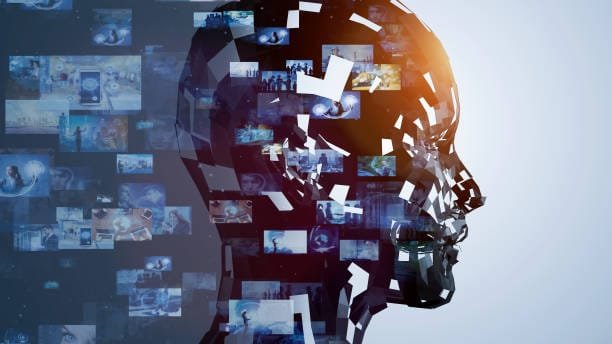
What AI Generates Images? Exploring the Fascinating World of AI-Generated Visual Content
Artificial Intelligence (AI) has been transforming various industries, from healthcare and finance to entertainment and marketing. One area where AI has made particularly exciting strides is in image generation. AI-generated images have revolutionized everything from digital art to design, allowing creators to produce high-quality visuals in a fraction of the time. But what exactly are AI-generated images, and how do these AI models work to create stunning visual content? This blog post delves into the details, covering everything from AI-generated images editors to image detectors and libraries.
What Are AI-Generated Images?
AI-generated images are visual content that is created using artificial intelligence algorithms. These algorithms, powered by complex models, use vast amounts of data to understand patterns in images and generate new content that mimics the style, structure, and elements of real-world visuals.
The technology behind AI-generated images is often based on Generative Adversarial Networks (GANs), variational autoencoders (VAEs), or more recently, diffusion models. These models are trained on large datasets of images and learn to generate new visuals by analyzing the patterns, textures, and shapes that appear in the training data. The result is often indistinguishable from images created by humans, whether it’s a photorealistic landscape, abstract art, or even portraits of people who don’t exist!
With advancements in deep learning, AI can now generate images that are highly detailed and realistic, making it an invaluable tool for artists, designers, marketers, and anyone involved in visual content creation.
AI-Generated Images GPT
While most people associate GPT (Generative Pre-trained Transformer) with text generation, its underlying technology has also been adapted for image generation. AI-generated images GPT models, like DALL·E by OpenAI, use the principles of GPT to create images from text prompts.
DALL·E, for instance, takes a written description and generates a visual representation of it. So, if you were to type, “a futuristic cityscape at sunset with flying cars,” DALL·E would produce an image matching your description, showcasing its understanding of the text and its ability to turn words into visuals. This allows for a seamless bridge between the creative freedom of language and the world of images.
What makes GPT-based image generation models so powerful is that they can understand complex descriptions and bring them to life in an almost limitless way. These tools open new possibilities for designers and creative professionals, enabling them to visualize concepts that would have previously been too abstract or challenging to create manually.
AI-Generated Images Editor
AI-generated images are not just limited to the automatic generation of new visuals; they can also be refined and enhanced using AI-powered image editors. AI image editors help users tweak generated visuals by adjusting aspects like color, contrast, texture, and even adding new elements to an image.
AI-based image editors allow users to perform tasks like:
- Enhancing Details: Increasing the resolution or adding finer details to an image without losing quality.
- Style Transfer: Changing the artistic style of an image, such as turning a photo into a painting in the style of Van Gogh.
- Background Removal: Automatically detecting and removing the background from an image for use in other designs.
- Face Editing: Modifying or creating facial expressions, age, or features, especially useful for portrait generation.
These AI tools are particularly valuable for creators who need to fine-tune their designs without spending hours on manual adjustments. By automating the more tedious parts of the creative process, AI image editors allow designers and artists to focus on the more creative aspects of their work.
AI-Generated Images Library
With the increasing popularity of AI-generated images, several platforms have emerged offering a vast AI-generated images library. These libraries contain collections of images created by AI that are free to use, modify, or even sell, depending on the platform’s licensing terms.
Some of the most notable features of AI-generated image libraries include:
- Diverse Styles: Whether you’re looking for realistic photographs, digital art, or abstract visuals, these libraries offer a wide variety of images.
- Customizable Options: Many platforms allow users to modify images within the library, adjusting elements like color or texture.
- Easy Access: With AI-generated images being available online, users can access them instantly, eliminating the need to spend time on complex searches or create images from scratch.
- Search by Keywords: These platforms also offer search tools that allow you to find images based on keywords or themes. You can enter terms like “nature,” “city,” or “vintage” to discover images that fit your project.
For businesses, marketers, and content creators, AI-generated image libraries can be a goldmine of visual content that saves time and money. Whether you need an image for a website, social media post, or advertisement, these libraries make it easy to find exactly what you need.
AI-Generated Images Detector
With the rise of AI-generated images, there is also a growing need to detect AI-generated content. Tools and technologies that can detect AI-generated images are crucial for several reasons:
- Identifying Fake Content: AI-generated images can be used to create misleading or fake visuals, which can have serious consequences, especially in journalism, politics, or advertising.
- Verifying Image Authenticity: As more platforms rely on user-generated content, having the ability to detect AI-generated images ensures that only genuine visuals are being used.
- Copyright Concerns: With the increasing use of AI to generate images, copyright issues may arise. Image detectors can help identify whether an image was generated by AI or if it has been altered by AI tools.
AI image detectors typically analyze the metadata of an image, looking for signs of manipulation or generation by algorithms. They may also use deep learning models trained to spot specific patterns commonly associated with AI-generated images. As this technology continues to evolve, detection tools are becoming more accurate and sophisticated, helping to ensure the credibility and authenticity of visual content across the web.
AI-Generated Images Dataset
AI models that generate images require massive datasets to learn from. These AI-generated images datasets are crucial for training models to understand how to create realistic images based on the data they’ve been exposed to.
These datasets contain millions of images that help the AI learn to recognize patterns, textures, colors, and compositions. Some of the most well-known datasets used for training AI image models include:
- ImageNet: A large-scale dataset containing millions of labeled images used to train image recognition models.
- COCO (Common Objects in Context): A dataset used for image captioning and object detection, containing more than 300,000 images.
- CelebA: A large dataset of celebrity faces often used for face recognition and editing models.
The datasets used to train AI models are crucial because the more diverse and extensive the data, the better the AI model becomes at generating high-quality images. The AI learns from these datasets and can produce images based on what it has learned about different visual elements.
How AI-Generated Images Are Changing Industries
The impact of AI-generated images extends far beyond the digital art world. AI is helping reshape several industries, including:
- Marketing and Advertising: Companies use AI-generated images to create personalized advertisements, product images, and promotional content. AI allows for rapid generation of these visuals, making marketing campaigns more agile and cost-effective.
- Film and Animation: AI-generated visuals are increasingly being used in the film industry to create realistic backgrounds, characters, and special effects without the need for expensive sets or time-consuming manual labor.
- Fashion and Design: Designers are using AI to generate new clothing patterns, accessories, and fashion concepts, giving them endless possibilities for creative expression.
- Gaming: AI-generated environments, characters, and assets are helping video game developers produce vast, detailed virtual worlds at a fraction of the cost and time it would take manually.
- Healthcare: AI-generated images are also being used in healthcare, especially in areas like medical imaging where AI can generate high-resolution images for diagnosis or even simulate complex medical conditions for training purposes.
Conclusion
AI-generated images are transforming the way we create and interact with visuals. From generating realistic artwork to enhancing design workflows, AI has become a powerful tool for artists, designers, marketers, and content creators. With models like GPT, AI-generated image editors, libraries, and detectors, the future of visual content creation is brighter than ever.
As AI technology continues to advance, the quality and diversity of generated images will only improve, offering new opportunities for creative expression across various industries. Whether you’re creating content for your business, enhancing your personal projects, or exploring AI’s creative potential, the world of AI-generated images is an exciting place to be.
The rise of AI-generated images also highlights the need for tools to detect and manage them, ensuring the authenticity and accuracy of visual content online. As AI continues to evolve, we can expect even more groundbreaking advancements in the field, shaping the future of art, design, and beyond.

