


How AI Affects Human Life: A Comprehensive Insight
Artificial Intelligence (AI) has transformed how we live, work, and interact with the world around us. From voice assistants like Siri and Alexa to personalized recommendations on Netflix and Amazon, AI has integrated itself into our daily lives, often without us even realizing it.
This blog explores the various ways AI influences human life, its role in modern society, and how it has become a cornerstone of daily convenience and innovation.
1. How AI Affects Human Life
AI impacts human life by simplifying tasks, enhancing decision-making, and improving efficiency in various domains. Its effects are evident in areas such as healthcare, education, transportation, and entertainment.
Healthcare
- Diagnosis and Treatment: AI-powered tools like IBM Watson assist doctors in diagnosing diseases and recommending treatments by analyzing medical data.
- Remote Monitoring: Wearable devices equipped with AI track vital signs, enabling timely interventions for conditions like heart disease or diabetes.
- Drug Development: AI accelerates drug discovery processes by predicting molecular interactions, saving time and resources.
Education
- Personalized Learning: AI adapts educational content based on a student’s learning pace and style, ensuring better understanding.
- Virtual Tutors: Platforms like Duolingo and Khan Academy use AI to provide real-time feedback and guidance.
Smart Homes
AI-powered devices like smart thermostats, security cameras, and lighting systems automate daily tasks, making life more convenient and secure.
2. How AI Affects Modern Society
AI has reshaped modern society by fostering innovation, enhancing productivity, and creating new opportunities across industries.
Employment and Workforce
- Automation: While AI automates repetitive tasks, it also creates new job opportunities in AI development, data analysis, and robotics.
- Skill Enhancement: Professionals now rely on AI tools for insights, enabling smarter decision-making and improved productivity.
Transportation
- Self-Driving Cars: AI powers autonomous vehicles like Tesla, reducing the risk of accidents and optimizing traffic flow.
- Route Optimization: Navigation apps like Google Maps use AI to suggest the fastest routes based on real-time traffic data.
Social Interaction
AI-driven social media algorithms determine what content users see, influencing opinions, trends, and even political decisions. While this fosters connectivity, it also raises concerns about privacy and misinformation.
3. How AI Influences Our Life
AI influences human life by empowering individuals and organizations to achieve more with less effort. Its applications span across sectors, influencing everything from personal habits to global economies.
E-Commerce and Retail
- Personalized Shopping: Platforms like Amazon use AI to analyze user behavior and recommend products tailored to individual preferences.
- Inventory Management: AI ensures optimal stock levels by predicting demand patterns, reducing waste, and maximizing profits.
Customer Service
Chatbots and virtual assistants like ChatGPT handle customer queries 24/7, providing instant support and enhancing customer satisfaction.
Entertainment
- Content Recommendations: Streaming platforms like Netflix and Spotify use AI to analyze viewing and listening habits, suggesting content users are likely to enjoy.
- Game Development: AI enhances gaming experiences by creating realistic environments and responsive characters.
4. How AI Helps in Daily Life
AI has become an indispensable part of our daily routines, offering solutions that save time and improve convenience.
Communication
- Email Filtering: AI sorts spam and important emails, ensuring users focus only on relevant messages.
- Language Translation: Tools like Google Translate break language barriers, enabling seamless communication worldwide.
Financial Management
- Fraud Detection: Banks use AI to identify suspicious transactions and prevent fraud.
- Budgeting Tools: Apps like Mint use AI to analyze spending habits and offer financial advice.
Health and Fitness
- Workout Apps: AI-driven apps like MyFitnessPal and Fitbit provide personalized fitness plans and track progress.
- Mental Health Support: AI chatbots like Woebot offer cognitive-behavioral therapy techniques to support mental well-being.
5. How AI Impacts Our Life
AI’s impact on human life goes beyond convenience and efficiency—it shapes the future of humanity. However, it also brings challenges that need careful consideration.
Positive Impacts
- Innovation: AI fosters groundbreaking innovations in medicine, science, and technology.
- Accessibility: AI-powered tools enable individuals with disabilities to navigate the world more easily, such as screen readers for the visually impaired.
Challenges
- Privacy Concerns: AI systems often require access to personal data, raising questions about how that data is used and stored.
- Ethical Issues: The rise of AI in decision-making raises concerns about bias, fairness, and accountability.
Global Implications
- Climate Change: AI is used to monitor and predict environmental changes, aiding in the fight against climate change.
- Disaster Management: AI-powered systems predict natural disasters and assist in relief efforts, saving countless lives.
6. How to Adapt to an AI-Driven World
To thrive in an AI-driven world, individuals and organizations must embrace lifelong learning and adaptability.
Upskilling
Learning AI-related skills like programming, data analysis, and machine learning can open up new career opportunities.
Critical Thinking
As AI becomes more pervasive, the ability to evaluate its outputs critically will be essential.
Collaboration with AI
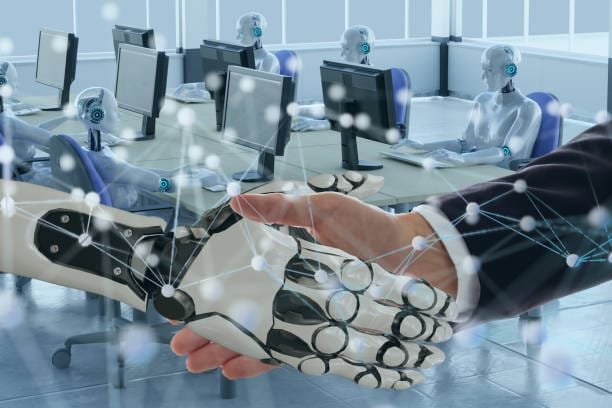
Instead of fearing AI, embracing it as a tool to complement human intelligence can lead to unprecedented achievements.
Conclusion
Artificial Intelligence is no longer a concept of the future—it’s a vital part of our present. By revolutionizing industries, enhancing daily life, and influencing societal norms, AI continues to shape the way we live.
From streamlining mundane tasks to tackling global challenges, the potential of AI is boundless. However, as its role expands, addressing ethical, privacy, and accessibility concerns will be crucial to ensuring AI benefits everyone equally.
Whether you’re using a voice assistant to set reminders or relying on AI for critical medical diagnoses, its impact on our lives is undeniable. As we continue to explore its possibilities, one thing is certain: AI is here to stay, and it’s transforming the world for the better.

