


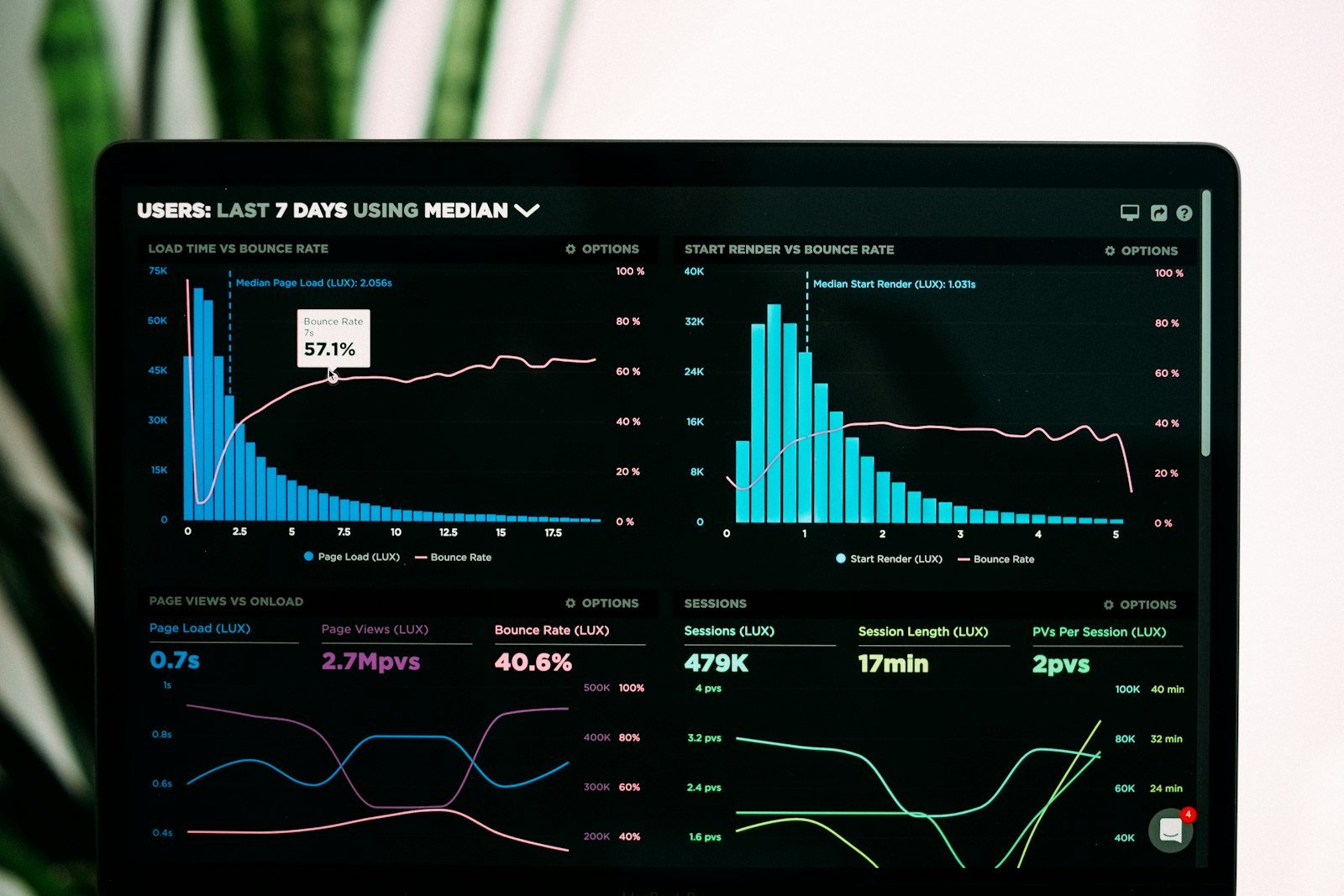
Shipping a large language model into production is the easy part. Keeping it reliable, fast, and cost-efficient once real users start hammering it is where teams struggle. That is exactly the gap LLM observability fills: capturing every prompt, response, tool call, and token so you can debug failures, catch regressions, and control spend before it spirals.
In 2026, three platforms dominate the conversation for engineering teams: Langfuse, LangSmith, and Arize Phoenix. Each makes a different architectural bet. This guide breaks down how they compare on tracing, evaluations, pricing, and self-hosting so you can pick the right one for your stack.
What Is LLM Observability and Why It Matters
Traditional application monitoring tracks metrics like latency and error rates. LLM observability goes deeper, because the failure modes of a language model are different. A model can return a syntactically perfect response that is factually wrong, drift in quality after a prompt change, or quietly triple your bill when a retrieval step balloons the context window.
A good observability platform gives you visibility into the things that actually break LLM apps:
- Tracing: the full execution path of a request, including chains, agents, tool calls, and retrieval steps.
- Evaluation: automated and human scoring of outputs for accuracy, relevance, and safety.
- Cost and token tracking: per-request, per-user, and per-feature spend.
- Prompt management: versioning and comparing prompts over time.
- Datasets: curated examples for regression testing and fine-tuning.
Langfuse: Open-Source Tracing and Evaluation
Langfuse has become the default open-source choice for teams that want a full-featured platform without vendor lock-in. Its core product — tracing, prompt management, evaluations, and datasets — moved to a permissive MIT license in mid-2025, which means you can self-host the exact same codebase that powers the cloud offering, with no feature gates or seat caps.
- Framework-agnostic: works with any SDK or framework, plus native OpenTelemetry support.
- Usage-based pricing: Langfuse Cloud meters on “units” — the sum of traces, observations, and scores — rather than per seat, starting with a free Hobby tier.
- Serious self-hosting: the MIT core runs the full product, though production self-hosting expects PostgreSQL, ClickHouse, Redis, and S3-compatible storage.
- Best for: mixed SDK-and-framework stacks that want portability and an open-source escape hatch.
LangSmith: Native LangChain and LangGraph Integration
LangSmith comes from the team behind LangChain, and that heritage is its biggest strength. If your application is built on LangChain or LangGraph, tracing is essentially automatic — the platform understands the internals of your chains and agents without extra instrumentation.
- Deep framework integration: the richest debugging experience for LangChain and LangGraph users.
- Managed cloud first: a polished hosted experience, with self-hosting reserved for enterprise plans.
- Seat plus trace pricing: billing layers per-seat fees on top of trace volume, which favors smaller teams and can climb as headcount grows.
- Best for: teams already committed to the LangChain ecosystem who want zero-friction tracing.
Arize Phoenix: OpenTelemetry-First and RAG-Focused
Arize Phoenix is the source-available, OpenTelemetry-native option, and it shines for teams iterating on retrieval-augmented generation. Because it is built on OpenTelemetry standards, your traces stay portable to any OTel-compatible backend, which reduces long-term lock-in.
- RAG debugging depth: built-in embedding drift detection, retrieval relevance scoring, and document-level attribution.
- Runs anywhere: locally, in a Jupyter notebook, in Docker, or in the cloud.
- Lightweight by default: traces store in SQLite out of the box, with PostgreSQL available for high-throughput workloads.
- Best for: RAG and agent teams that want deep retrieval insight and an OTel-first design.
Langfuse vs LangSmith vs Phoenix: Head-to-Head
The three tools overlap heavily on core tracing, so the decision usually comes down to your framework, your openness requirements, and how you want to be billed.
| Factor | Langfuse | LangSmith | Arize Phoenix |
|---|---|---|---|
| License model | MIT open source | Proprietary (cloud) | Source-available (Elastic 2.0) |
| Best framework fit | Any / OTel | LangChain, LangGraph | Any / OTel |
| Standout strength | Self-hosting freedom | Native LangChain tracing | RAG and retrieval debugging |
| Billing basis | Units (traces + scores) | Seats plus traces | Self-host or Arize cloud |

How to Choose the Right Tool
Start with your framework. If your codebase is deeply invested in LangChain or LangGraph, LangSmith gives you the smoothest path and the most framework-aware debugging. If you are running a mixed stack of raw API calls and multiple frameworks, Langfuse or Phoenix will serve you better because both are framework-agnostic and OpenTelemetry-friendly.
Next, weigh openness and hosting. Teams with strict data-residency needs or a desire to avoid vendor lock-in gravitate toward Langfuse for its genuine MIT self-hosting, or Phoenix for a lightweight local footprint. Finally, if retrieval quality is your main pain point, Phoenix’s embedding-drift and retrieval-relevance tooling is hard to beat. Pair whichever platform you choose with a dedicated LLM evaluation framework and a solid reranking strategy to close the loop on quality.
Frequently Asked Questions
Is LLM observability the same as traditional monitoring?
No. Traditional monitoring watches infrastructure metrics like latency and error rates. LLM observability adds semantic visibility — tracing prompts and responses, scoring output quality, and tracking token cost — because a language model can fail while appearing perfectly healthy on standard dashboards.
Which LLM observability tool is best for LangChain users?
LangSmith, without much debate. It is built by the LangChain team and instruments chains, agents, and tool calls automatically, giving you the deepest visibility with the least setup for LangChain and LangGraph applications.
Can I self-host these platforms for free?
Langfuse offers the most complete free self-hosting through its MIT-licensed core, with no seat or feature limits. Phoenix is also self-hostable and lightweight. LangSmith reserves self-hosting for enterprise plans, so its free tier is cloud-based only.
Which tool is best for debugging RAG pipelines?
Arize Phoenix leads here. Its built-in embedding drift detection, retrieval relevance scoring, and document-level attribution are purpose-built for diagnosing why a retrieval-augmented generation system returns weak or irrelevant answers.
Conclusion: Pick the Platform That Fits Your Stack
There is no single winner in LLM observability for 2026 — only the best fit for your situation. Choose LangSmith if you live in LangChain, Langfuse if you value open-source portability and self-hosting, and Arize Phoenix if retrieval quality and OpenTelemetry-native tracing top your list. All three will dramatically shorten the distance between a mysterious production bug and its root cause.
Ready to make your LLM app production-ready? Start by instrumenting one platform this week, then layer in evaluations and prompt versioning. For more hands-on comparisons, explore our guides on LLM red teaming and LLM evaluation frameworks, and subscribe to NewsifyAll for weekly AI engineering deep dives.

