


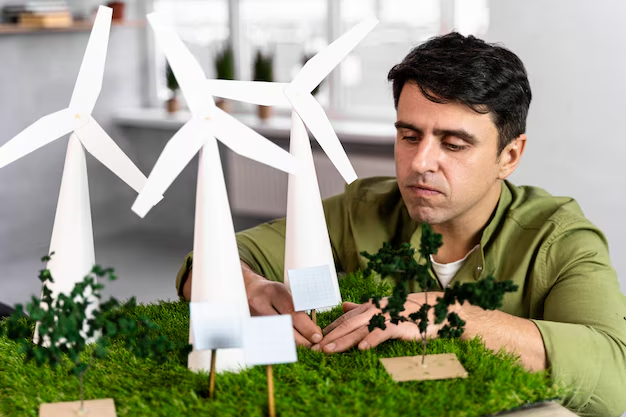
What is Green Technology Innovation?
Green technology innovation refers to the creation and application of eco-friendly technologies designed to reduce environmental harm, conserve natural resources, and promote sustainability. These technologies aim to address pressing global issues like climate change, pollution, and resource depletion by offering solutions that emphasize renewable energy, energy efficiency, and sustainable practices.
At its core, green technology seeks to harmonize modern advancements with environmental preservation, fostering a future where innovation and sustainability coexist.
What Does Green Technology Mean?
Green technology, also called clean technology or environmental technology, includes systems, products, and processes designed to minimize negative impacts on the environment. The primary objectives of green technology are:
- Reducing Carbon Footprints: Cutting down on greenhouse gas emissions.
- Promoting Renewable Energy: Utilizing sustainable energy sources like solar, wind, and hydro.
- Enhancing Energy Efficiency: Developing systems and appliances that consume less energy.
- Recycling and Waste Management: Encouraging reusability and reducing waste generation.
- Biodiversity Preservation: Protecting ecosystems and promoting ecological balance.
Green technology focuses on creating a sustainable world by aligning industrial and technological growth with environmental responsibility.
Green Technology Innovation Examples
- Renewable Energy Solutions:
- Solar panels, wind turbines, and geothermal power systems harness natural energy sources to generate clean, renewable energy.
- Electric Vehicles (EVs):
- EVs, such as Tesla cars, significantly reduce dependence on fossil fuels and curb greenhouse gas emissions.
- Smart Grids:
- These advanced energy networks optimize electricity distribution, reducing energy wastage and improving efficiency.
- Green Building Materials:
- Innovations like energy-efficient windows, solar-powered lighting, and water recycling systems promote eco-friendly infrastructure.
- Carbon Capture and Storage (CCS):
- CCS technologies capture CO₂ emissions from industrial processes and store them underground, reducing atmospheric pollution.
- Biofuels:
- Fuels made from organic materials, such as algae and agricultural waste, provide a sustainable alternative to fossil fuels.
Challenges of Green Technology
While green technology offers immense benefits, it also comes with certain challenges:
- High Initial Costs:
- The development and implementation of green technologies can be expensive, posing challenges for small businesses and developing nations.
- Resource Dependency:
- Some green technologies rely on rare earth metals like lithium and cobalt, whose extraction can harm the environment.
- E-Waste Concerns:
- As electronic devices become more eco-friendly, improper recycling can lead to increased electronic waste.
- Energy-Intensive Manufacturing:
- Producing renewable energy systems, such as solar panels or wind turbines, can be energy-intensive and leave a temporary carbon footprint.
Who Coined the Term “Green Revolution” in India?
The term “Green Revolution” in India is closely linked to Dr. M.S. Swaminathan, known as the “Father of the Green Revolution in India.” While the term was popularized globally by William Gaud, an administrator at USAID, Dr. Swaminathan’s agricultural innovations in the 1960s and 70s helped India achieve food security and self-sufficiency.
Synonyms for Green Technology
Green technology is also referred to as:
- Sustainable Technology
- Clean Technology (Cleantech)
- Environmental Technology
These terms emphasize eco-friendly practices and innovation aimed at environmental preservation.
Who Contributed to Green Technology?
Green technology doesn’t have a single inventor. Instead, it is a culmination of efforts by many visionaries, including:
- Alexander Graham Bell: Advocated for renewable energy, like solar power, in the early 20th century.
- Elon Musk: Pioneered electric vehicles (Tesla) and renewable energy solutions through companies like SolarCity.
These innovators have played significant roles in shaping modern green technology.
Conclusion
Green technology innovation is a vital step toward building a sustainable future. From renewable energy to eco-friendly transportation, these technologies are addressing critical global challenges like climate change and resource depletion. However, the journey isn’t without hurdles, such as high costs and resource constraints.
By investing in and supporting green technologies, individuals, organizations, and governments can drive positive environmental change while fostering economic growth. As advancements continue, green technology has the power to transform industries and create a world where innovation and sustainability thrive hand in hand.

